
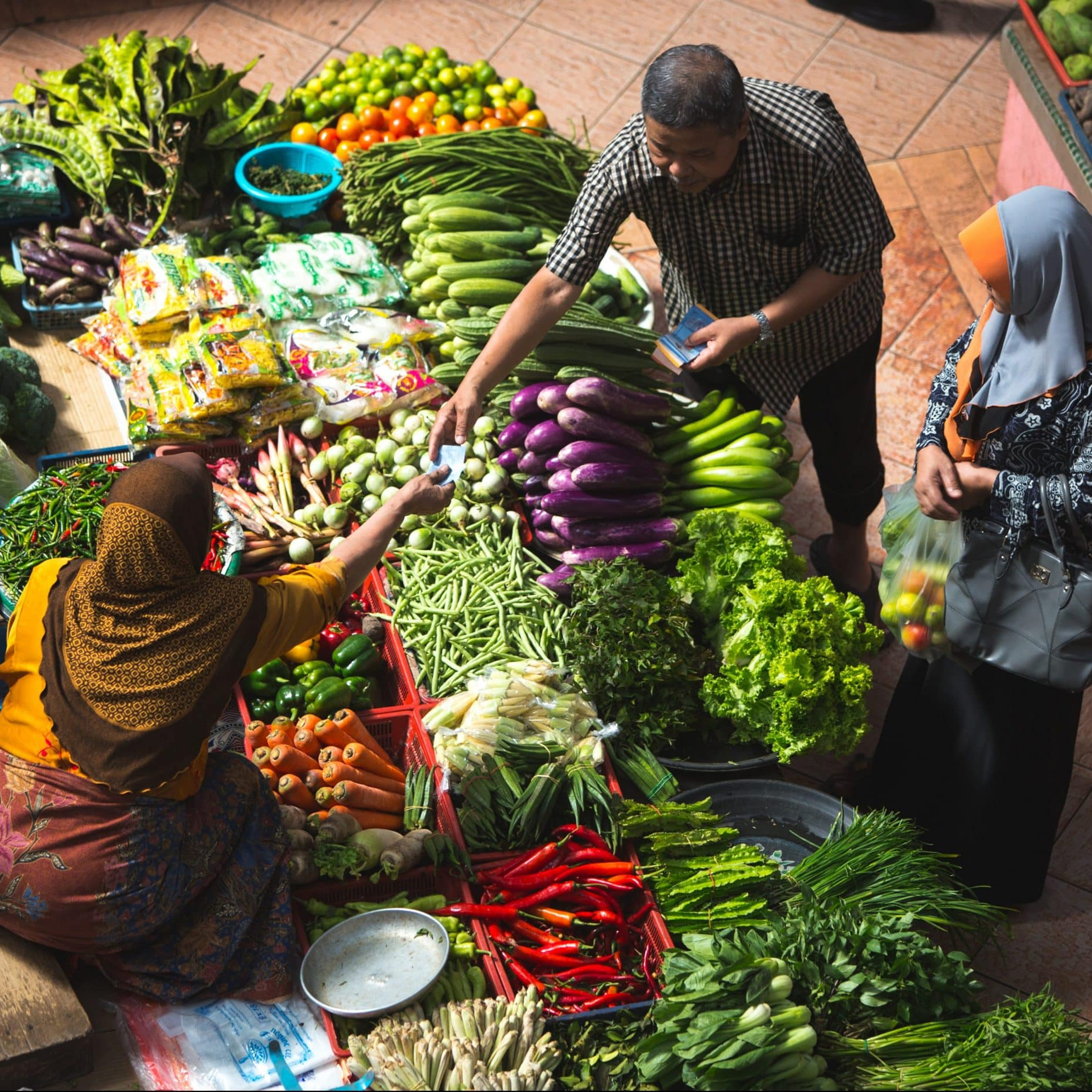
From Farm to Table: The Critical Role of Agriculture in Food Security
Food is a basic necessity, yet many people rarely consider the complex journey it takes before reaching their tables. Behind every meal is a network of hardworking farmers, agricultural workers, and supply chain partners dedicated to producing and delivering safe, nutritious food.
At Glens Farms, we understand that agriculture is more than a business—it is the foundation of food security and community well-being.
Understanding Food Security
Food security exists when people have consistent access to sufficient, safe, and nutritious food that supports a healthy and active life. Achieving this goal requires reliable agricultural production, efficient distribution systems, and sustainable farming practices.
As populations continue to grow, the demand for food increases, making agricultural productivity more important than ever.
The Farmer’s Role in Feeding Communities
Farmers are at the heart of food production. Through careful planning, cultivation, and management, they produce the crops and livestock that sustain households, businesses, and entire economies.
Their work extends beyond harvesting. Farmers must adapt to changing weather patterns, manage resources efficiently, and embrace innovation to meet growing food demands.
Challenges Facing Modern Agriculture
Today’s agricultural sector faces several challenges, including climate change, rising production costs, pest outbreaks, and limited access to financing. These factors can impact food production and market stability.
Addressing these challenges requires collaboration among farmers, governments, researchers, and private-sector stakeholders to build resilient agricultural systems.
Technology Is Transforming Agriculture
Modern farming technologies are helping producers increase efficiency and improve yields. Precision agriculture, smart irrigation systems, improved seed varieties, and digital farm management tools are enabling farmers to make informed decisions and optimize production.
Technology is helping agriculture become more productive, sustainable, and capable of meeting future food needs.
Why Local Agricultural Production Matters
Strengthening local food production reduces dependence on imports, supports rural economies, creates employment opportunities, and improves access to fresh produce.
Investing in local agriculture also helps communities become more resilient to global supply chain disruptions and market fluctuations.
Building a Sustainable Food Future
Ensuring food security requires long-term investment in agricultural development. This includes supporting farmers with training, access to quality inputs, modern equipment, and market opportunities.
Sustainable farming practices, responsible resource management, and continuous innovation will play a crucial role in creating a reliable food system for future generations.
Glens Farms’ Vision
At Glens Farms, we are committed to advancing agricultural excellence through responsible farming practices, innovation, and community engagement. Our goal is to contribute to a stronger food system that supports economic growth, environmental sustainability, and food security.
Every harvest represents more than agricultural success—it represents nourishment, opportunity, and a commitment to feeding the future.
