
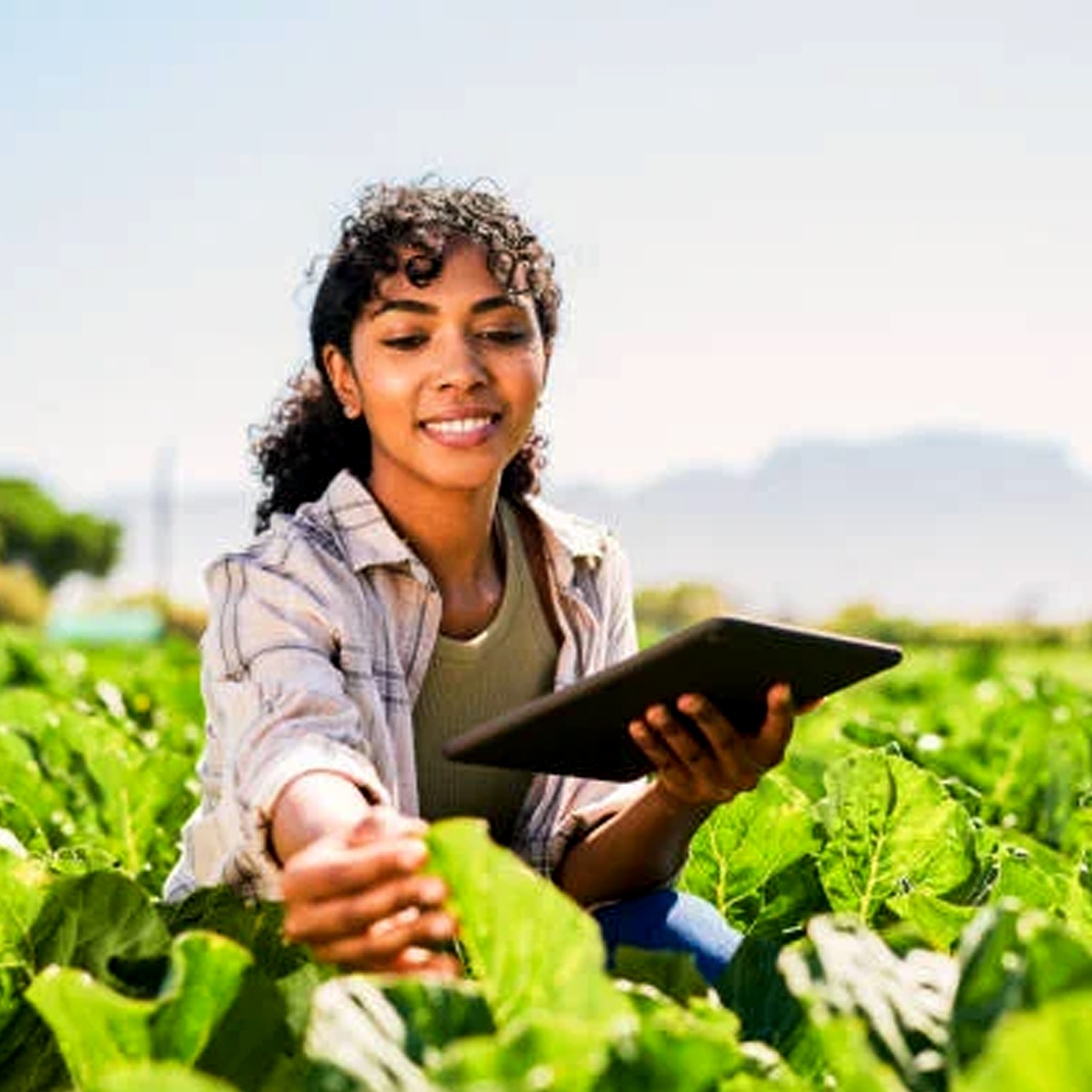
Why Sustainable Farming Is the Future of Agriculture
Agriculture is evolving rapidly, and sustainability has become more than just a trend—it is now a necessity. As the global population continues to grow and environmental challenges become more pressing, farmers must adopt practices that not only increase productivity but also preserve natural resources for future generations.
At Glens Farms, we believe sustainable farming is the foundation of a resilient and profitable agricultural sector.
What Is Sustainable Farming?
Sustainable farming refers to agricultural practices that meet current food production needs while protecting the environment, supporting local communities, and maintaining economic viability. It focuses on balancing productivity with responsible resource management.
This approach includes efficient water usage, soil conservation, responsible pest management, crop diversification, and the adoption of environmentally friendly technologies.
The Importance of Healthy Soil
Healthy soil is one of the most valuable assets on any farm. It provides essential nutrients for crops, improves water retention, and supports beneficial microorganisms that contribute to plant growth.
By implementing practices such as organic fertilization, cover cropping, and reduced soil disturbance, farmers can improve soil fertility and ensure long-term productivity.
Water Conservation Matters
Water is a critical resource in agriculture. Efficient irrigation systems and water management practices help farmers reduce waste while ensuring crops receive adequate moisture.
Sustainable water use not only lowers production costs but also helps protect local water sources from depletion and contamination.
Increasing Productivity Through Innovation
Modern agricultural technologies are making sustainable farming more accessible and effective than ever before. Precision farming tools, improved crop varieties, climate monitoring systems, and data-driven decision-making enable farmers to maximize yields while minimizing environmental impact.
Innovation allows farms to become more productive without placing additional strain on natural resources.
Supporting Food Security
Sustainable farming plays a vital role in ensuring food security. By maintaining soil health, conserving water, and protecting biodiversity, farms can remain productive even in the face of changing climate conditions.
This resilience helps guarantee a stable food supply for communities and future generations.
Economic Benefits for Farmers
Contrary to common misconceptions, sustainable farming can improve profitability. Reduced input costs, improved crop quality, better resource efficiency, and access to premium markets often translate into stronger financial performance over time.
Farmers who invest in sustainable practices position themselves for long-term success in an increasingly competitive agricultural landscape.
The Glens Farms Commitment
At Glens Farms, we are committed to promoting responsible agricultural practices that support productivity, environmental stewardship, and community development. Through innovation, education, and continuous improvement, we strive to contribute to a more sustainable and prosperous future for agriculture.
The future of farming depends on the choices we make today. By embracing sustainable practices, we can protect our environment, strengthen food systems, and create lasting opportunities for generations to come.
